What couldn't be sealed. Sealed.
It seals glass, ceramic or plastic containers, with or without a cap, with consistent results on real lines. Container after container. Exclusive Quatropack technology. With the heart of an Enercon inside.
What the TopPressureSeal solves.
A glass or ceramic container is never exactly the same as the previous one. These are the four problems, one by one.
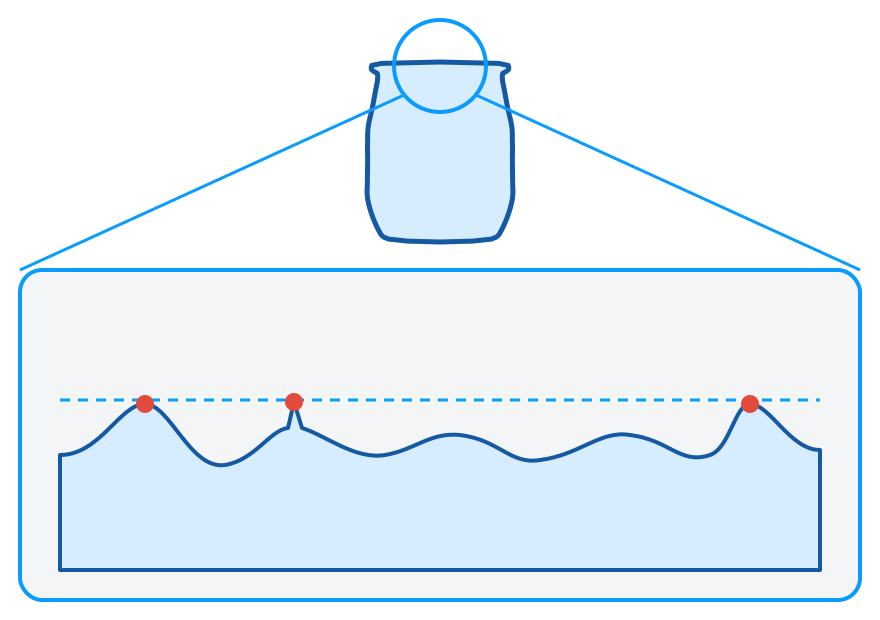
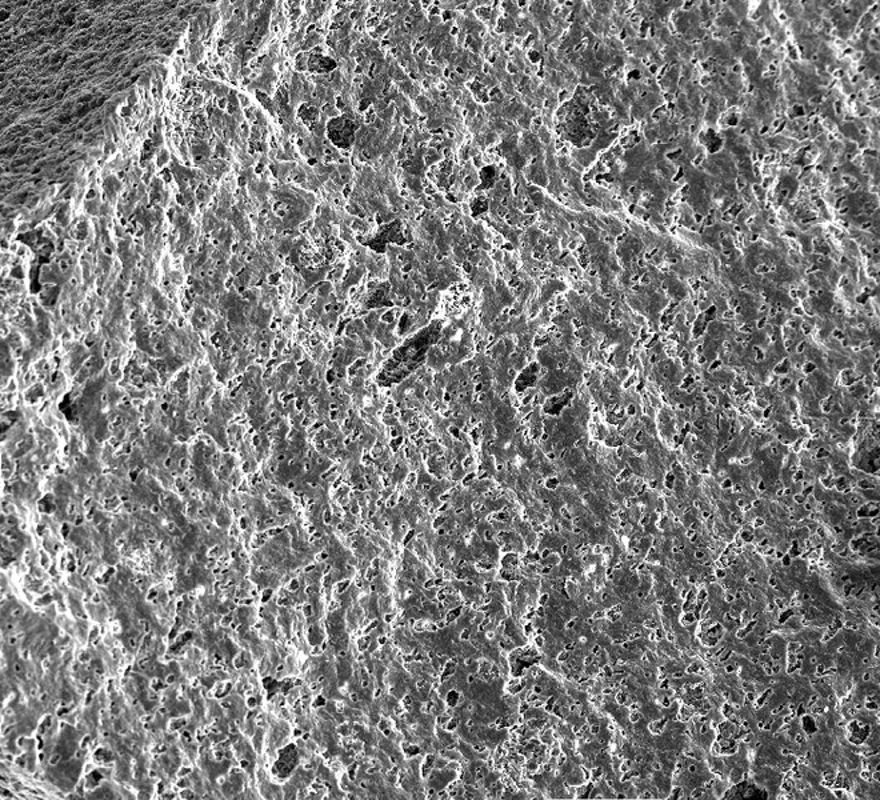
Surface: sealing roughness, textures, peaks and valleys.
The rim looks smooth. Magnified, it is a succession of peaks and valleys (contacts in red). The TopPressureSeal seals on that surface, peaks and valleys included.
Glass
Ceramic
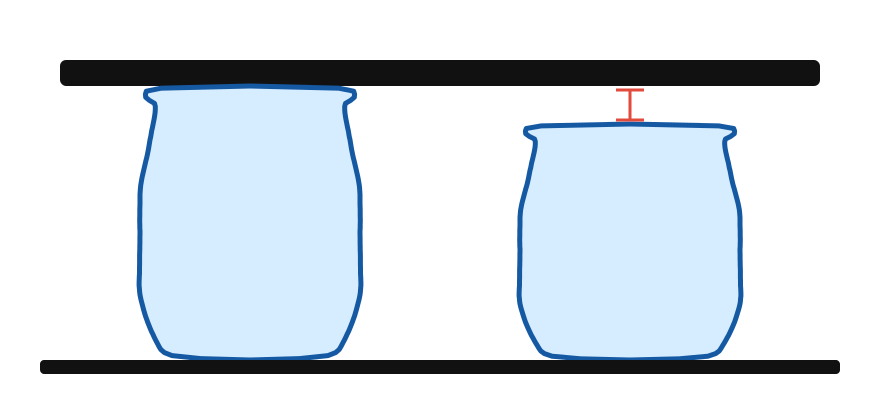
Height: sealing a container taller or shorter than the previous one.
Two containers of the same reference: one is a millimetre taller than the other. The TopPressureSeal seals both, one after the other, without adjusting anything.
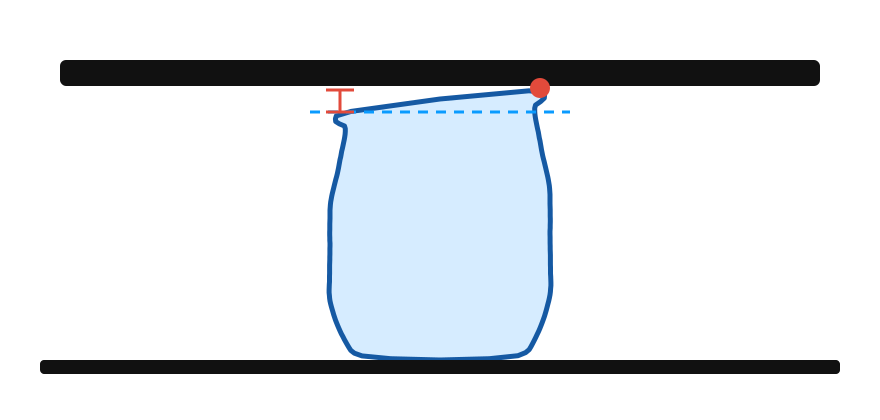
Flatness: sealing a tilted surface.
The mouth is not parallel to the base: one side is higher than the other. The TopPressureSeal seals the entire tilted surface.
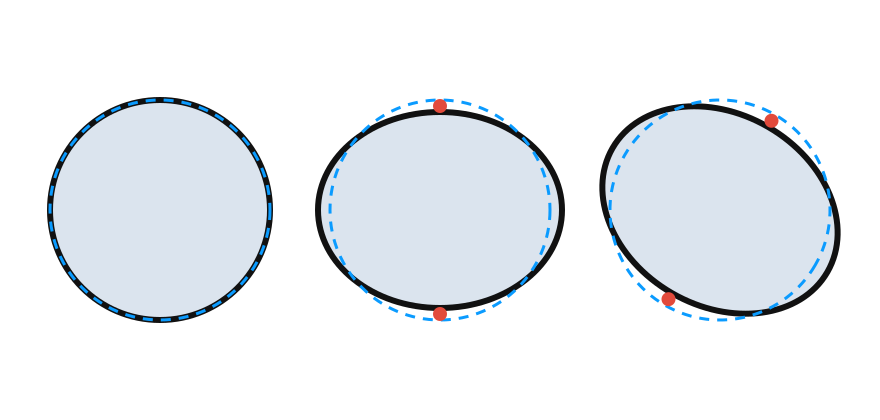
Shape: sealing different ovals, not identical circles.
Seen from above, the mouths are not circles: they are ovals, and each one is different (the blue circle is a conventional rigid head). The TopPressureSeal seals each oval just as it is.
It's already sealing on real lines.
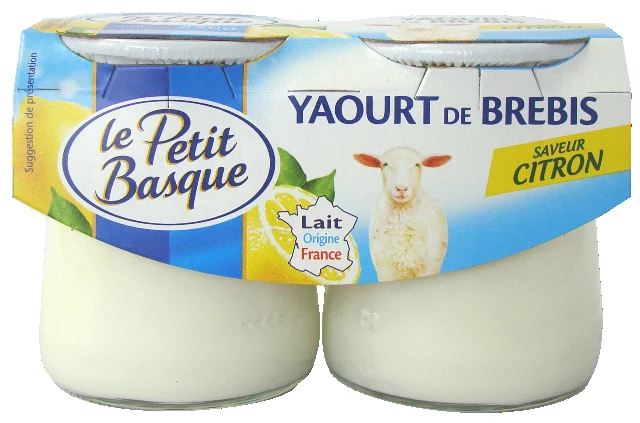
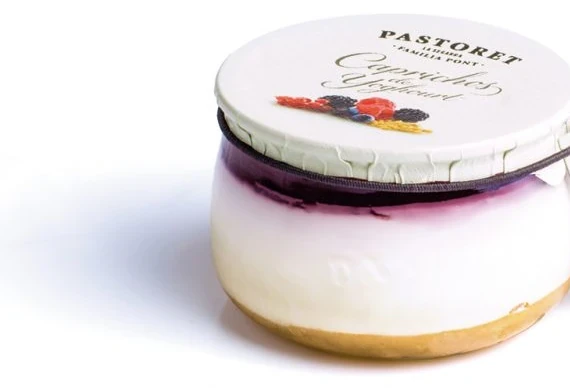
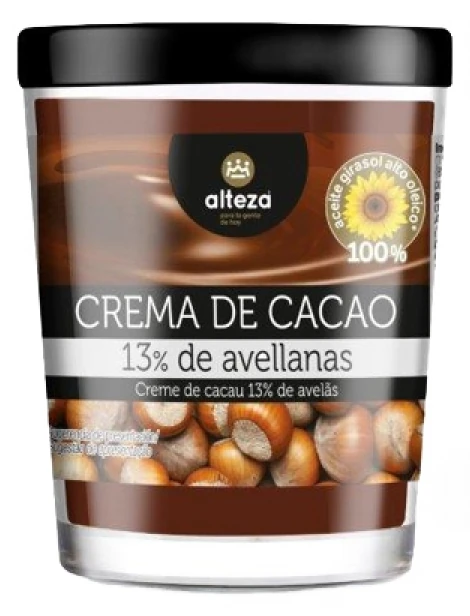
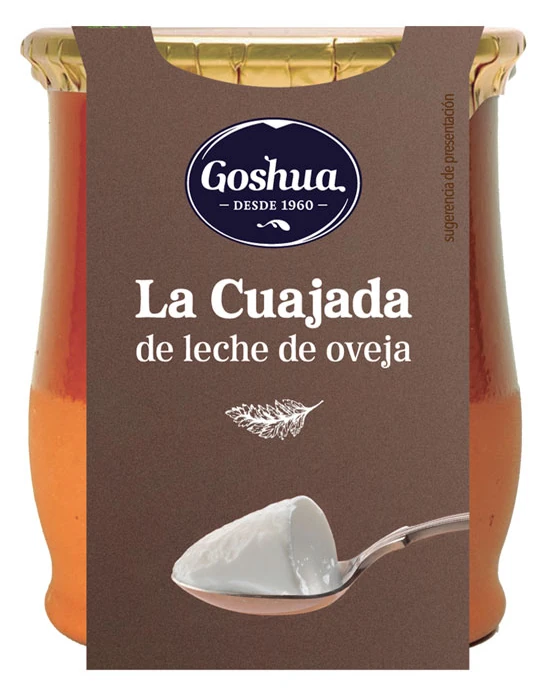
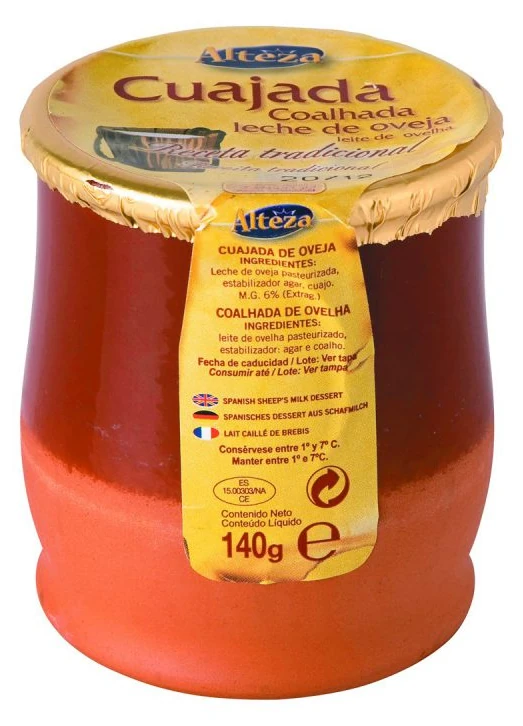
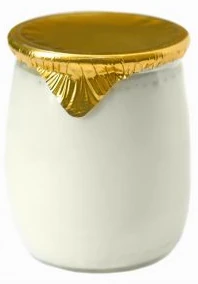
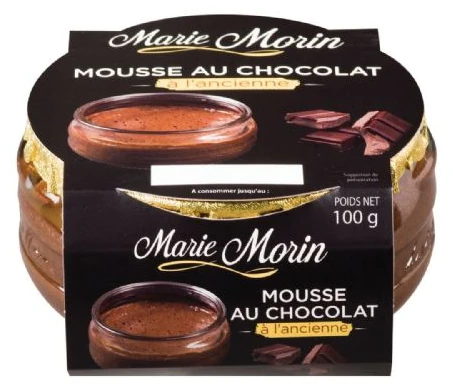
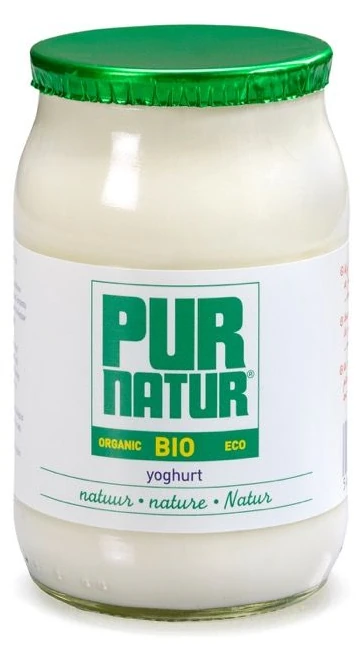
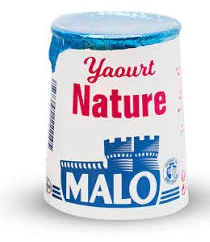
The TopPressureSeal is not a prototype: it seals products you can find in the supermarket — dairy desserts in glass and ceramic, curds, premium specialities, and even yoghurts in paraffin-coated cardboard cups. Also cosmetic and food products. Every day for years.
One machine, all your formats.
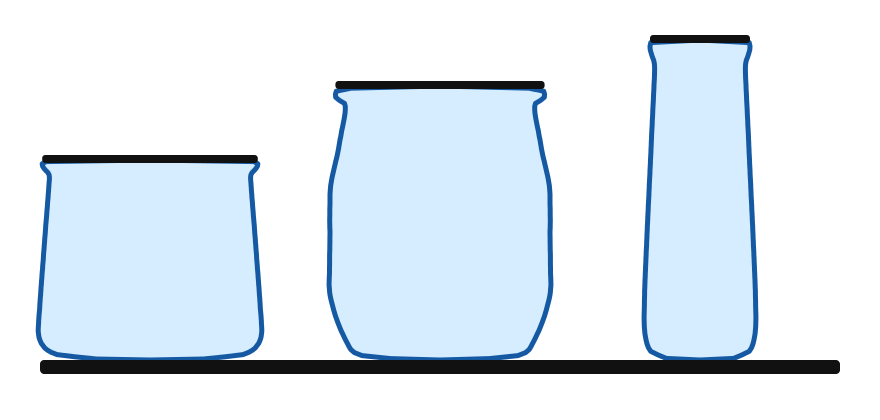
Glass, ceramic, plastic or paraffin-coated cardboard. With or without a cap. Round or oval, tall or short, from Ø20 to Ø120 mm. The same TopPressureSeal seals them all, up to 500 containers per minute, and changes from one format to another in under 2 minutes. On your current line or a new one.
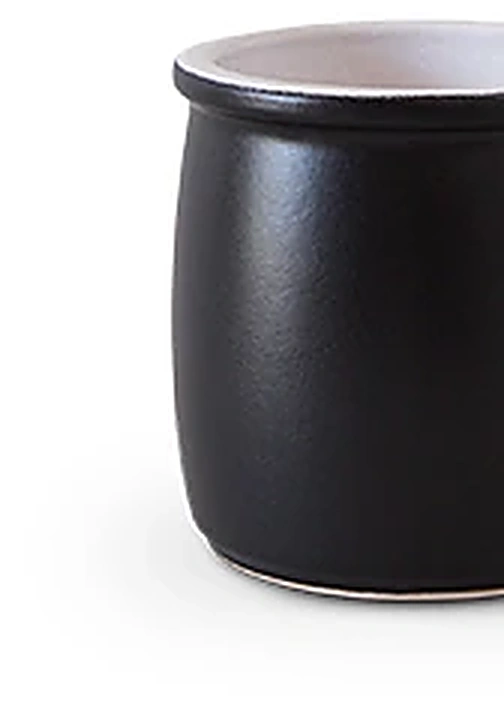
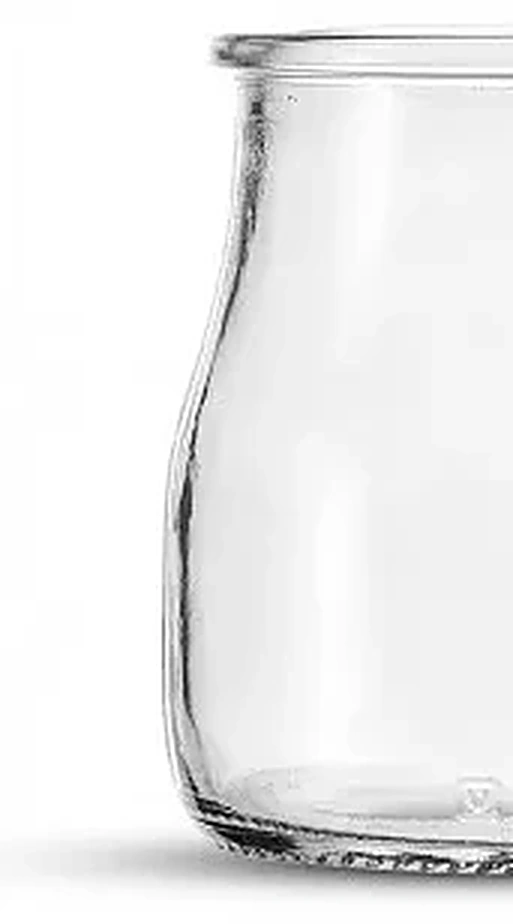
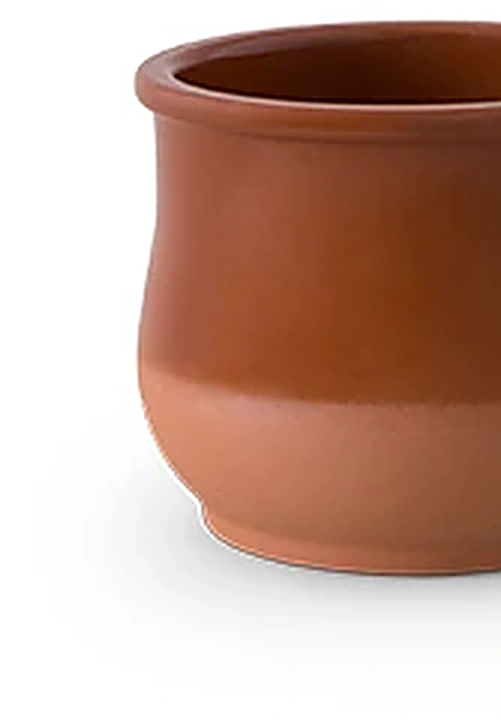
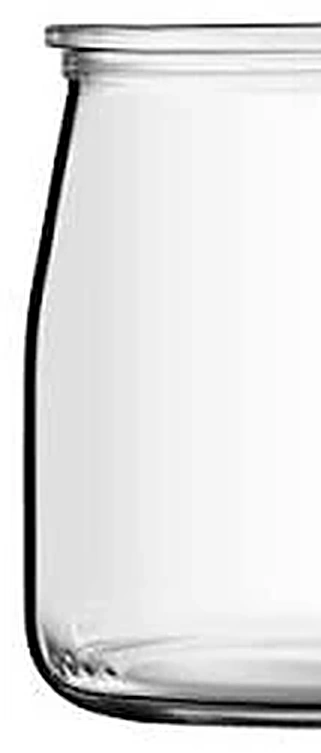
Why other sealing methods don't work with glass and ceramic
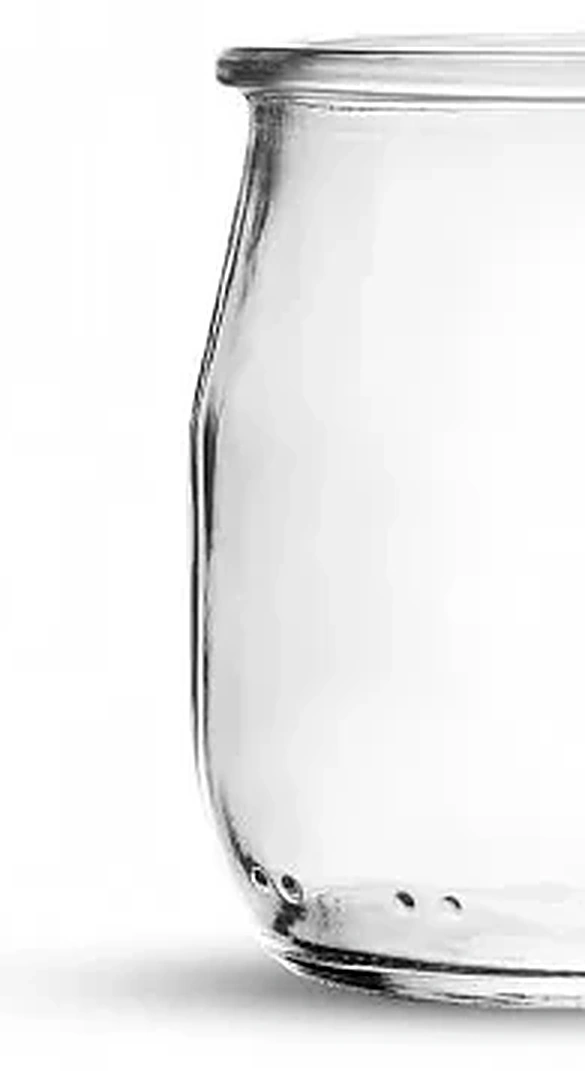
A rigid hot plate against a rigid container that's never exactly the same: height, flatness and shape vary container to container. Extending the sealing time doesn't offset those tolerances — and it turns the sealer into the bottleneck of the line.
The TopPressureSeal absorbs those tolerances by applying to each container the pressure it needs, and ensures an airtight, robust and repeatable seal even at high outputs. From the first to the last.
What usually fails.
The TopPressureSeal was designed for these cases.
Which containers does it seal?
All on one machine.
Aluminum foil only
- Glass + aluminum foil
- Ceramic + aluminum foil
- Plastic + aluminum foil
- Waxed cardboard + aluminum foil
With lid
- Glass + lid with film (snapcap type)
- Plastic + lid with film
From one format to another in under 2 minutes. Even if the material, diameter or height change.
How? We test it and measure it with your container.
The TopPressureSeal achieves an airtight and consistent seal where other technologies fail. We can explain it to you, but we'd rather prove it: you send us your containers and we look at the results. With data.
Every sealing trial ends in a technical report on your container: documented test conditions, controlled parameters, a vacuum leak test with an objective scale in millibars, a comparison with your current seal, the speed limits of your materials and a clear recommendation. Numbers, not adjectives.

The tests and the report are signed by our sealing laboratory.
You speak to induction specialists.
The TopPressureSeal is a flexible, reliable machine with a repeatable, consistent result that has been sealing containers in factories for more than a decade. Quatropack design, delivered by us and backed by us: adaptation to your format, parameter-based training for your team and answers from people who know the machine and induction sealing. For its entire working life. And its Enercon heart has spent more than 50 years proving how long it can last.
The TopPressureSeal is supplied worldwide: it ships assembled and tested, ready to drop into your line. After-sales service and spare parts, worldwide too.
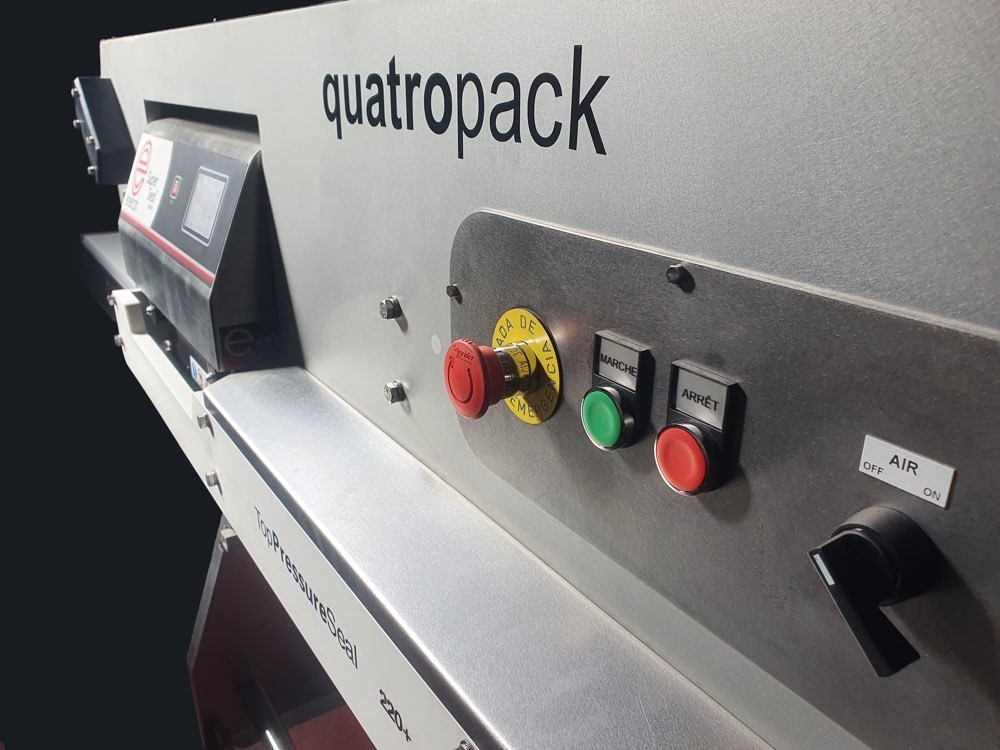
The TopPressureSeal, explained on video.
Did you think glass and ceramic are hard to seal? You're right.
But we have a solution for you.
Let's talk.
Describe your container and product. We'll tell you if the TopPressureSeal is the solution — and if it isn't, we'll tell you too.
Or call us: +34 968 345 219