Induction sealing, explained.
What it is, what it solves, and how to tell a good seal from a headache. Without unnecessary jargon.
Why seal by induction.

Induction sealing, on video.
Short videos, in Spanish. They open on YouTube.
How does induction sealing work?
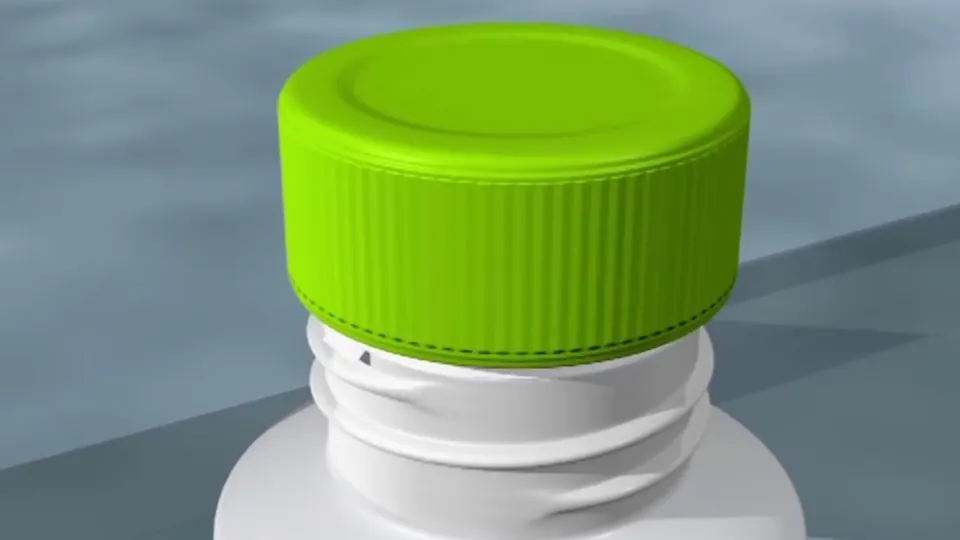
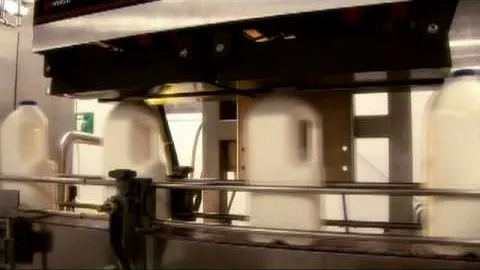
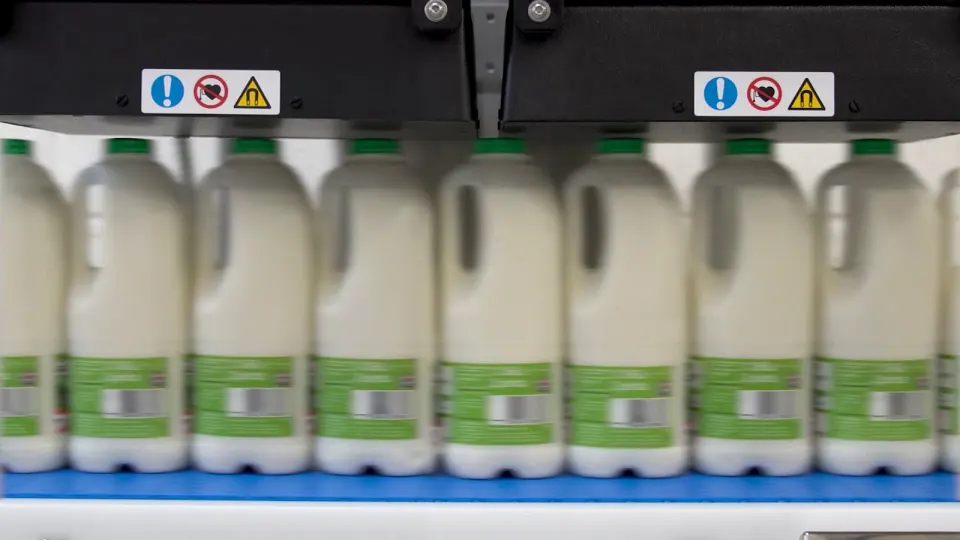
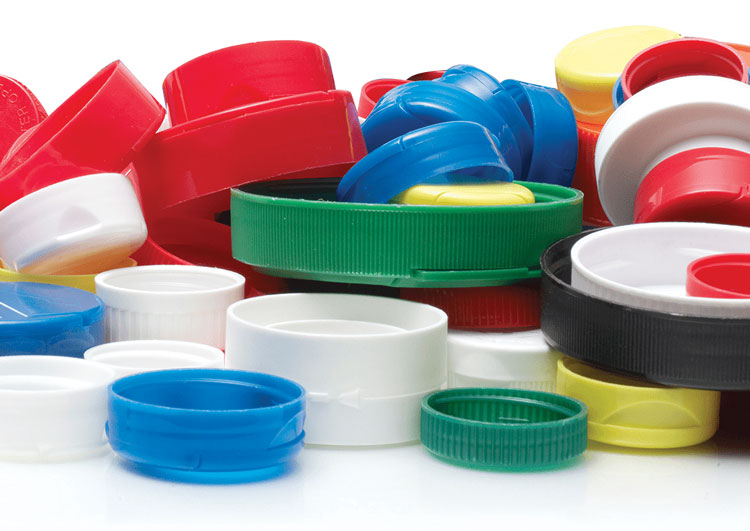
The container is filled and closed with a cap that carries a liner inside. As it passes under the sealer, a controlled electromagnetic field goes through the cap and heats the liner: the sealing material melts and bonds to the neck of the container. A fully hermetic closure, contact-free and instant.
The elements
Want the technical detail of the process? Enercon, the manufacturer, explains it in its library: How Induction Sealing Works (in English).
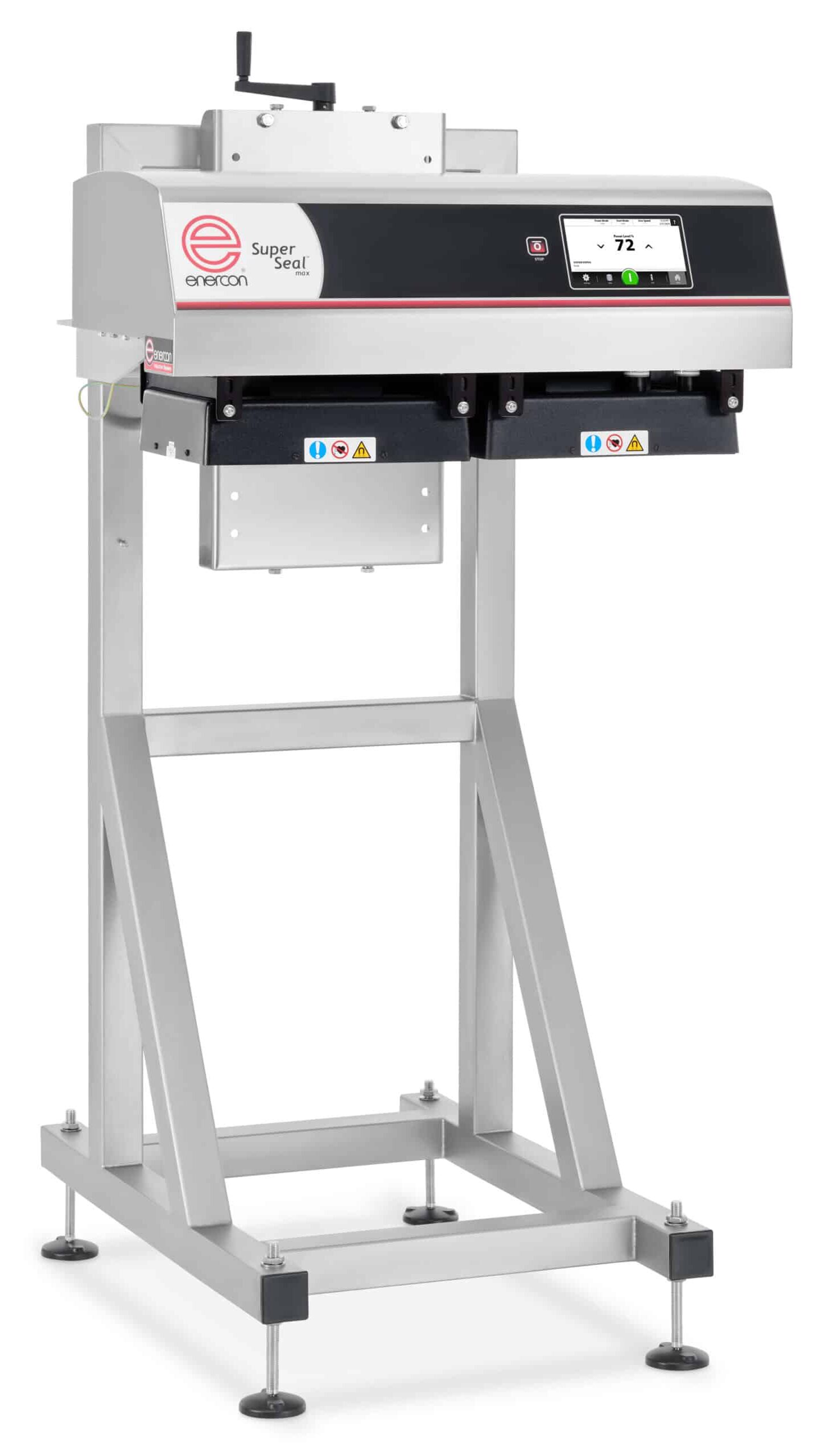
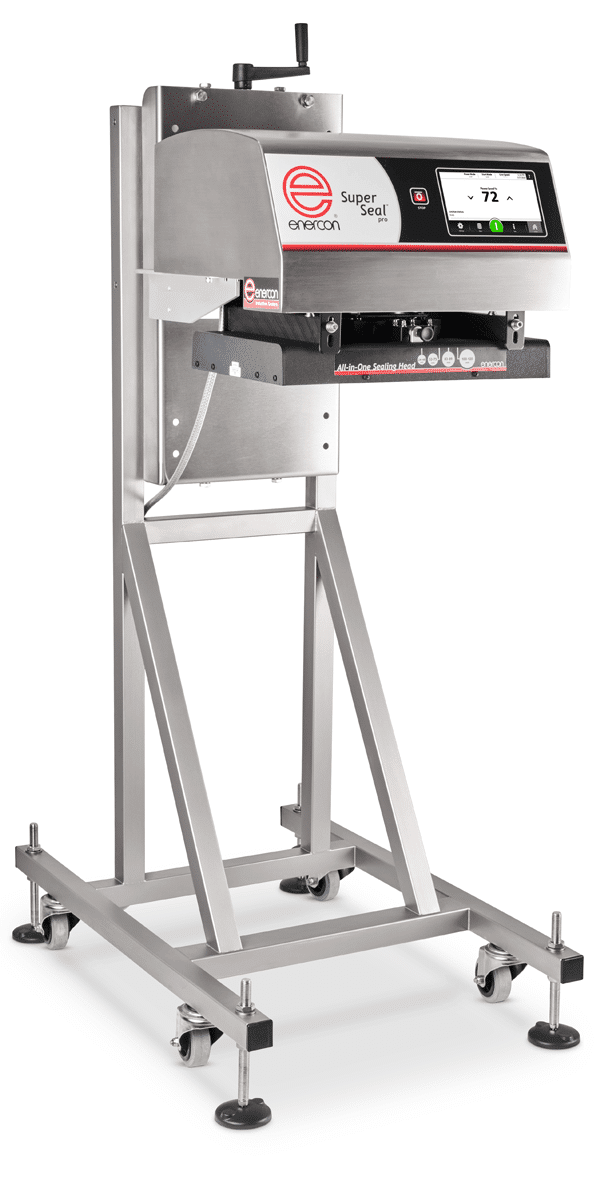
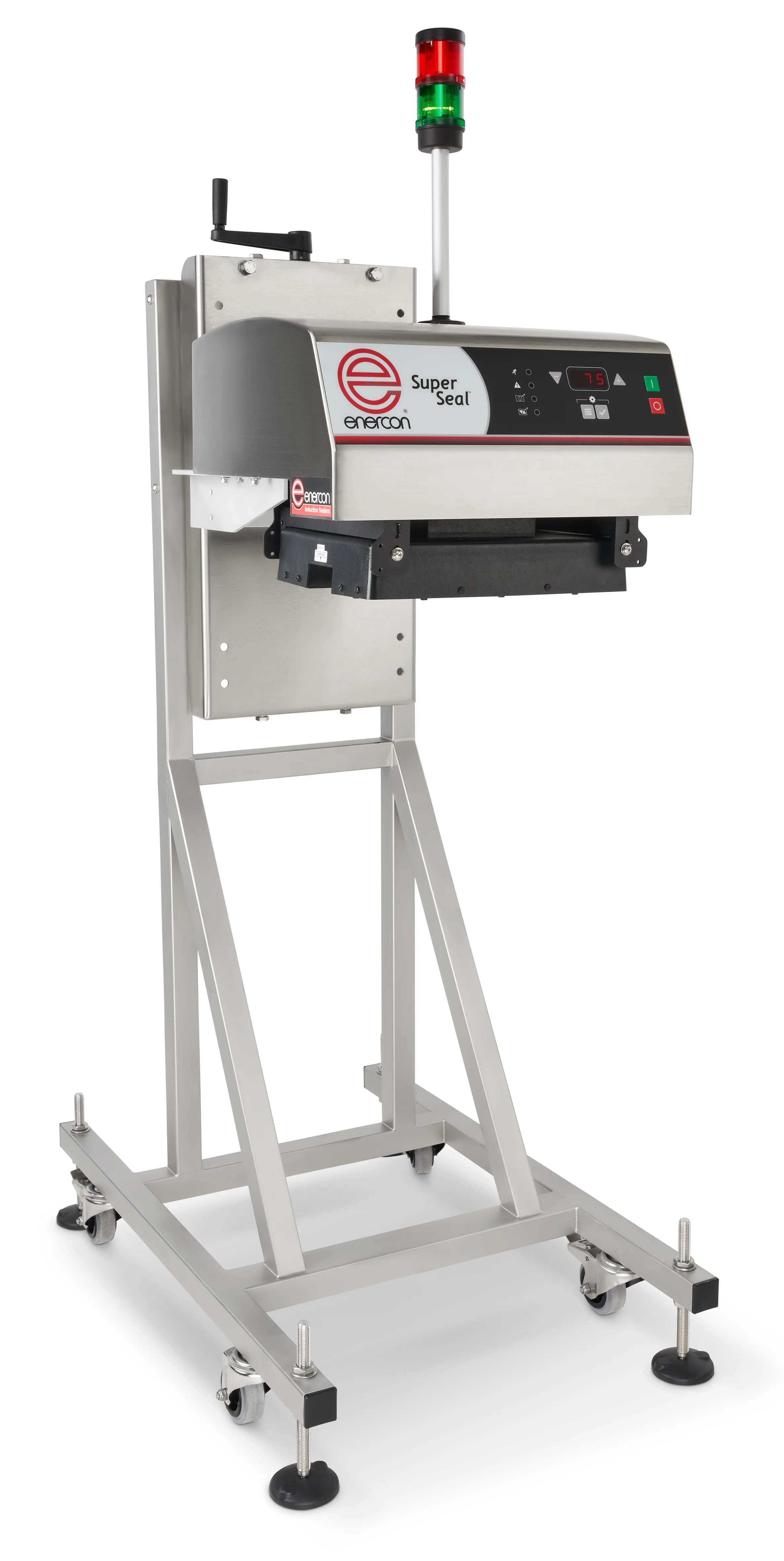
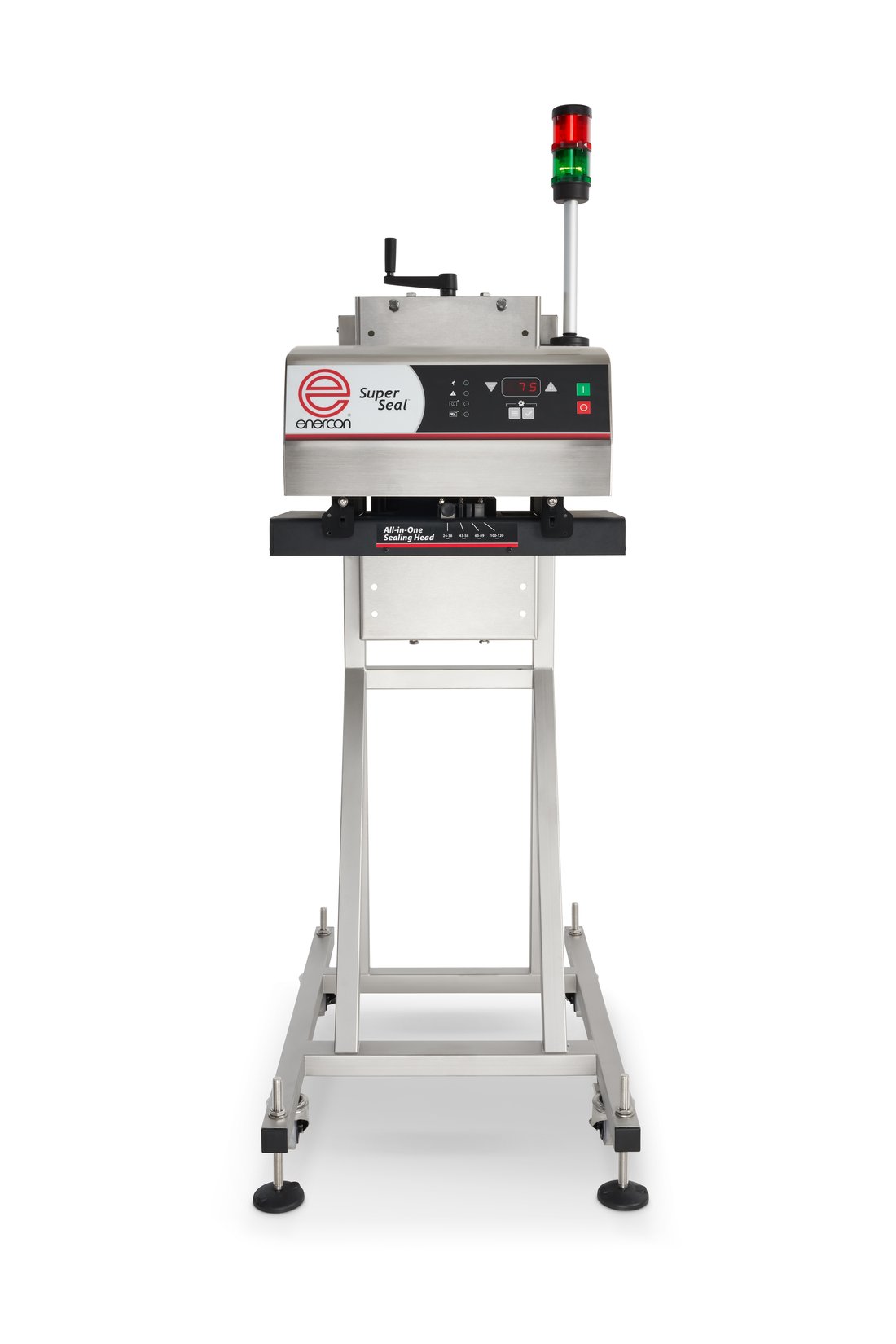
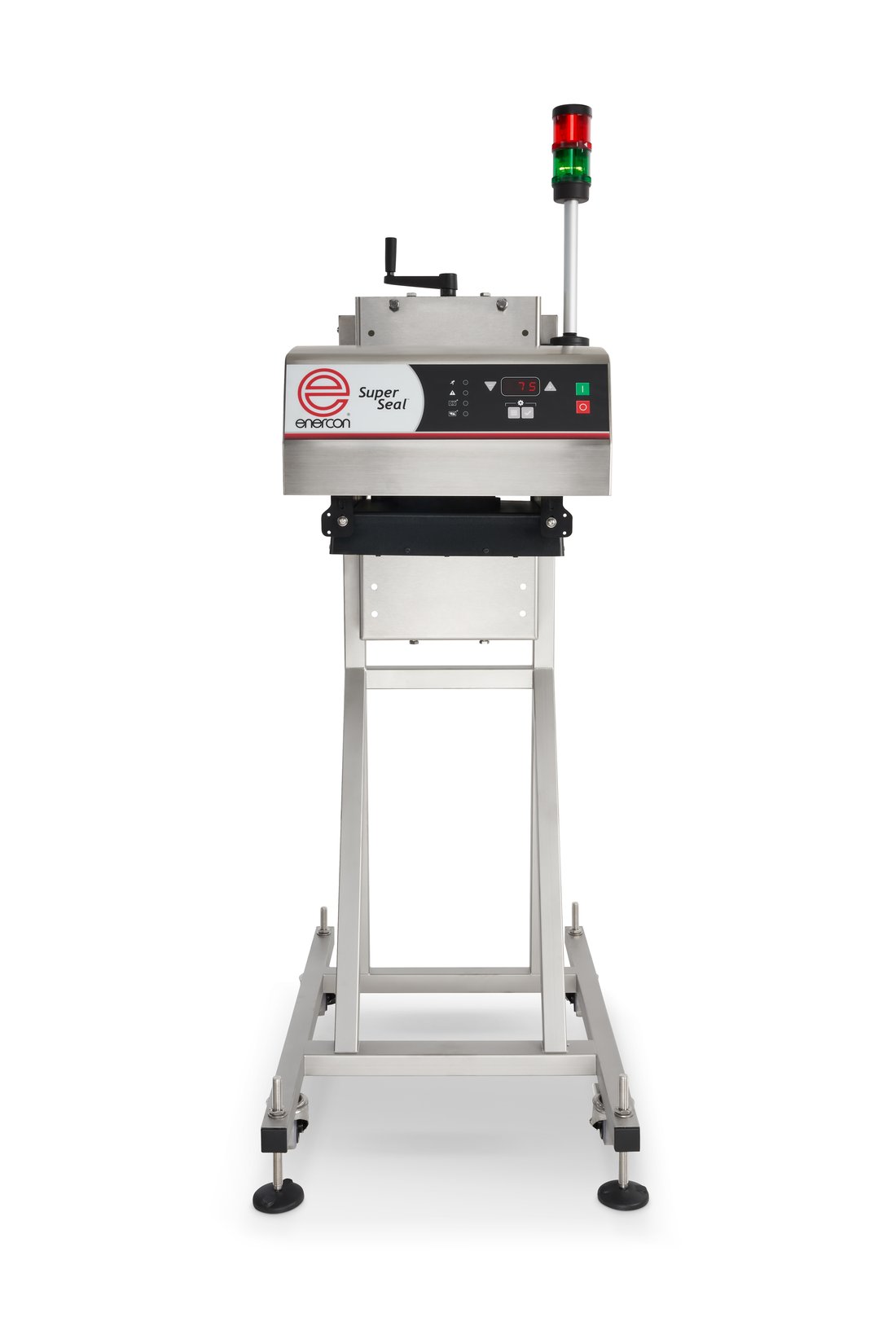
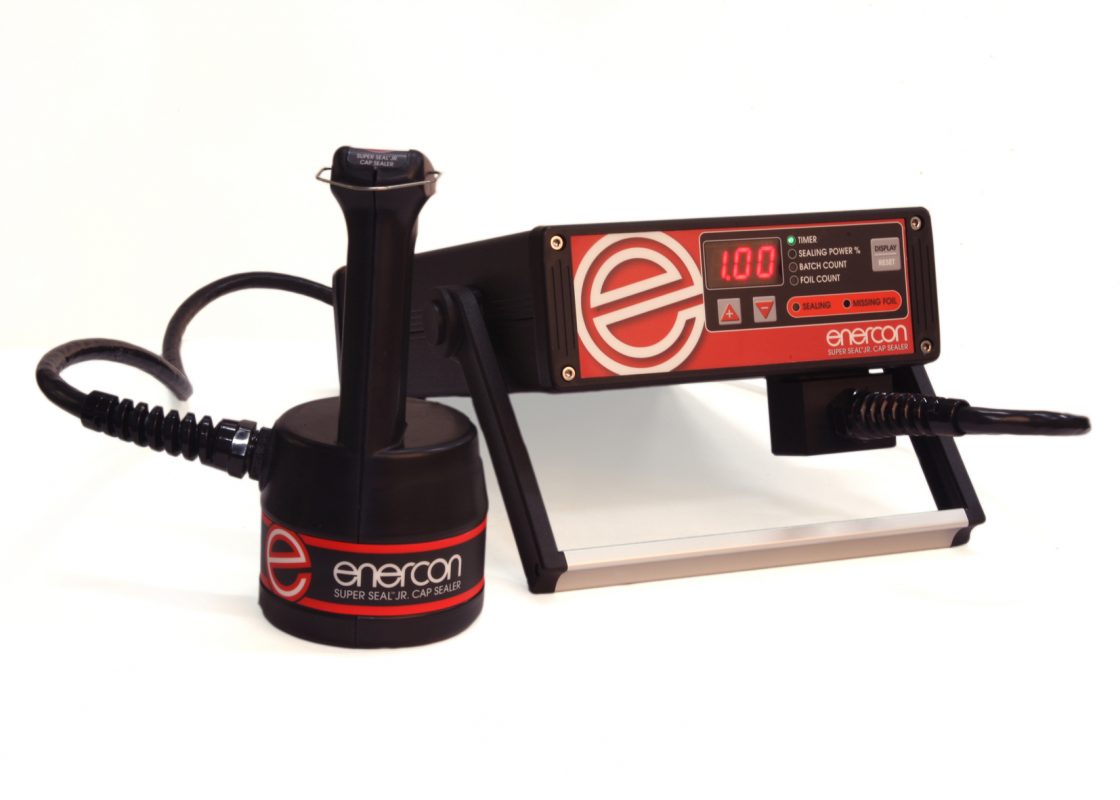
The world's best-selling induction sealers.
From 8 to 2,000 containers per minute (up to 500 per machine; with several Max units, up to 2,000): there's a SuperSeal that's perfect for your line. No consumables, no moving parts and minimal maintenance.